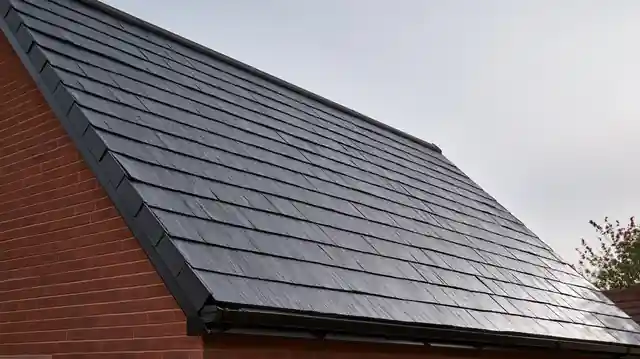
Ridge Tile Repairs Basingstoke
Ridge tile repairs in Basingstoke that help secure the roof and restore dependable weather protection.
Ridge Tile Repairs for Basingstoke Properties
Ridge tile repairs are relevant when the top line of a tiled roof shows movement, cracking or other signs of wear. This page explains how ridge and verge details are checked, what may influence the repair approach, and how a suitable scope is set for the work required.
A ridge line often needs attention when tiles have shifted, mortar has broken down, or the finish no longer looks secure. A careful repair aims to address the specific fault rather than disturb sound parts of the roof.
Some roofs need a localised repair, while others need a broader review of the ridge and adjacent details. The right response depends on what is actually found on inspection, not just on the visible symptom from ground level.
Clear diagnosis matters because ridge problems can be linked to more than one cause. Checking the condition of the tiles, fixings, bedding and surrounding roof details helps avoid a repair that only solves part of the issue.
For wider faults around the covering and roofline, visit our ridge and roofing specialists serving Basingstoke overview.
Ridge and Verge Repair Topics at a Glance
- Roof survey and visible-condition check
- Clear explanation of the likely cause
- Appropriate material and access considerations
- Written quotation for the proposed scope
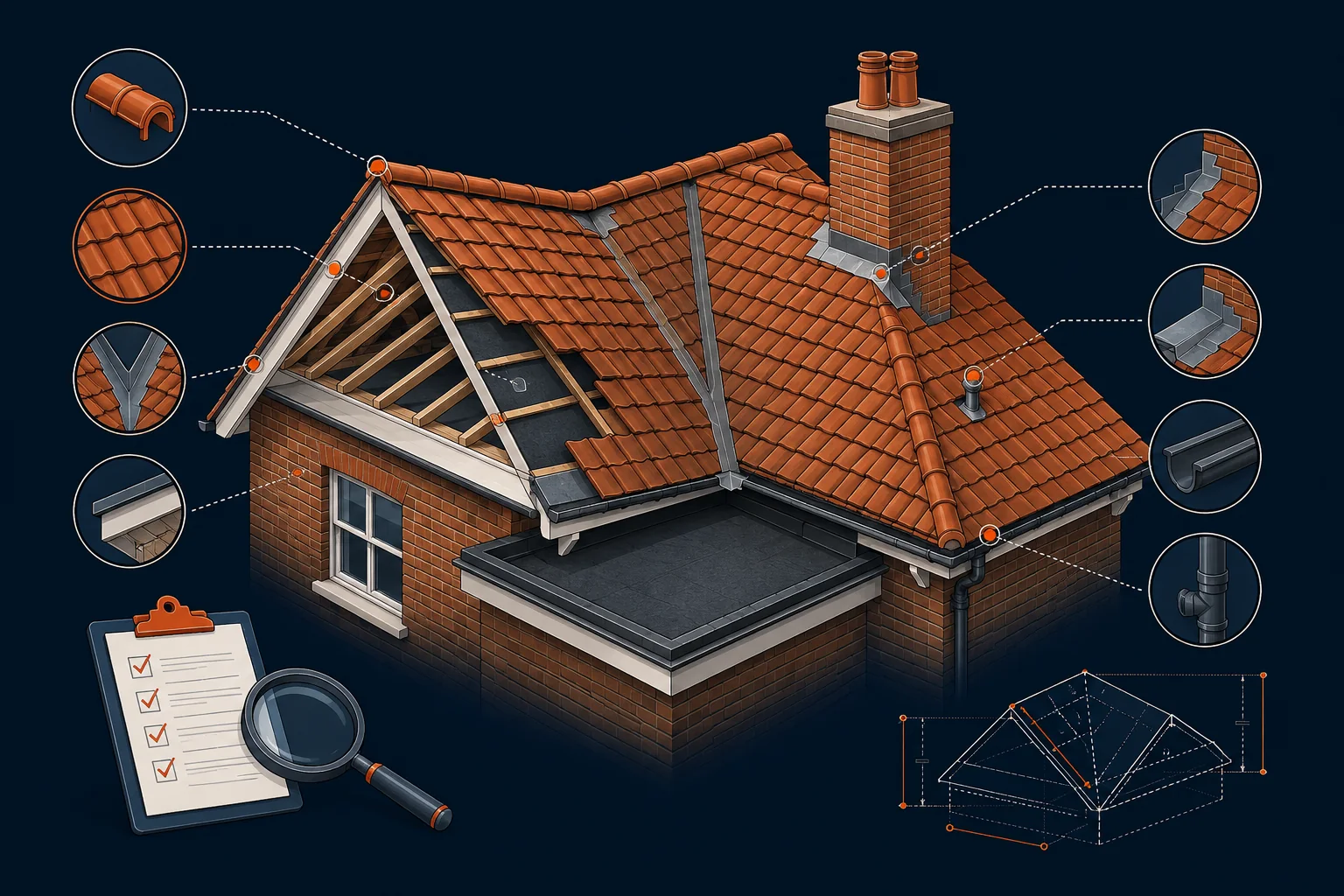
How We Assess Ridge and Verge Details
Before any repair or replacement is specified, the ridge and verge details should be checked for movement, deterioration and the extent of any damage. It is also important to consider the surrounding roof condition, because nearby defects can affect the safest and most appropriate repair method.
Inspect before specifying the work
An initial inspection should establish whether the problem is isolated or part of a wider pattern along the roof line. That helps guide whether the work can stay local to one area or should be expanded to include adjacent sections.
Where ridge tiles have loosened, the underlying fixing arrangement and the state of the bedding or system should be reviewed. A sound-looking tile can still rely on a failing support detail, so the visible tile is only part of the assessment.
Inspection also helps identify any signs that water has been affecting the ridge or verge junctions over time. Even small defects can become more disruptive if they are left in place and exposed to repeated movement.
What guides the quotation
A quotation should reflect what the inspection reveals, including the level of repair needed and any preparation involved. The condition of the ridge area, the materials involved and the extent of access all help shape the final written scope.
Assessment focus
- Check exposed roof lines
- Compare mortar and dry-fix
- Inspect adjoining tiles
Written scope
- Visible condition
- Safe access
- Material specification
- Relevant exclusions
Ridge Tile and Roof Verge Repairs
Ridge tile and roof verge repairs should match the condition found on site. In some cases that means targeted reinstatement of loose or damaged components, while in others it may be more appropriate to renew a larger section so the finish is stable and consistent.
Where the damage is limited, a focused repair can often address the problem without unnecessary disturbance. The aim is to restore the ridge or verge detail in a way that fits the roof’s current condition.
If the existing arrangement has deteriorated more widely, the repair may need to include more than one component. That is why the inspection stage is important before deciding whether a small repair or a fuller renewal is the better option.
- The ridge or verge line is checked alongside adjoining tiles, fixings and mortar.
- A local defect may suit re-bedding, while recurring movement can point towards a dry-fix solution.
- The written scope should distinguish component repair from unrelated tiled-roof work.
Why Ridge Tiles Slip
Ridge tiles can become loose when the fixing or bedding begins to fail over time. Movement at the roof line may also be aggravated by weather exposure and repeated seasonal expansion and contraction.
A loose ridge tile is not always the result of a broken tile itself. The supporting materials underneath may have weakened first, which is why a proper check should look beyond the visible surface.
In some cases, the issue is gradual rather than sudden, so a roof may show minor movement before any obvious failure appears. That is another reason to inspect the full ridge detail instead of treating the loose tile as an isolated fault.
- Cracked or missing mortar beneath ridge units
- Loose, corroded or absent mechanical fixings
- Damage to adjoining tiles and underlay below the ridge line
Re-bedding or Dry-ridge?
Whether to re-bed or use a dry-ridge approach depends on the roof condition and the type of repair needed. The correct choice should follow the existing construction and the findings made during inspection.
Re-bedding may suit situations where the mortar support has failed but the underlying components remain serviceable. A dry-ridge system may be better where a more mechanically fixed solution is appropriate for the roof detail being repaired.
The main point is to choose a method that suits the roof rather than starting with a fixed assumption. A written recommendation should explain why one approach is preferred over another for the specific ridge in question.
- Re-bed a limited section where traditional mortar remains suitable
- Use a compatible dry-ridge system where continuous mechanical fixing is preferred
- Maintain ventilation and secure junctions at hips, ridges and end units
Roof Verge Repairs
Verge repairs deal with the roof edges at the gable side, where the finish also needs to remain secure and weather-resistant. These details can need attention for similar reasons to ridge tiles, but they are not the same part of the roof.
A verge repair should focus on the condition of the edge detail and how it is held in place. Any repair needs to leave the finish neat, stable and compatible with the surrounding tiled roof.
As with ridge work, the extent of verge repair depends on what inspection shows. The response may range from limited reinstatement to a broader section of remedial work where deterioration is more advanced.
- Loose or missing mortar along the gable edge
- Displaced tiles, caps or dry-verge components
- Condition of adjoining battens and the roof edge beneath the finish
A Clear Scope for Ridge and Verge Repairs
Condition
Condition is the starting point for any sensible ridge repair decision. The more clearly the existing materials and fixings are understood, the easier it is to choose a suitable remedy.
Access
Access matters because ridge and verge work must be carried out safely and efficiently. The way the roof can be reached may influence how the work is planned and how much of the roof line can be dealt with in one visit.
Specification
Specification should set out exactly what is to be repaired, renewed or left in place. A good specification avoids vague wording and makes the expected scope easier to understand before work begins.
Ridge Tile Repairs FAQs
A ridge tile can become loose when the fixing or bedding has started to fail, or when movement has affected the roof line over time. Weathering and repeated small shifts can gradually reduce how securely the tile is held in place.
Yes. If the ridge tiles and surrounding roof detail are otherwise serviceable, re-bedding can be an appropriate repair. The decision should be based on inspection, because the best method depends on the condition of the existing materials and fixing arrangement.
A dry-ridge system is a mechanically fixed ridge detail rather than one that relies mainly on mortar bedding. It is used where a suitable dry-fixed solution is specified for the roof and the existing conditions support that approach.
No. The ridge is the top horizontal line of the roof, while the verge is the sloping edge at the gable side. They are different details and are assessed and repaired according to their own condition.
Ask about ridge tile repairs
A written quotation should follow the inspection findings so it matches the real extent of the ridge or verge problem. Details such as access, the materials involved and whether the work is limited or more extensive all shape the final scope and price basis.
If you need ridge tile repairs, the most useful next step is a clear inspection and a written scope that reflects what is actually on the roof. That gives you a practical basis for deciding on the right repair approach.