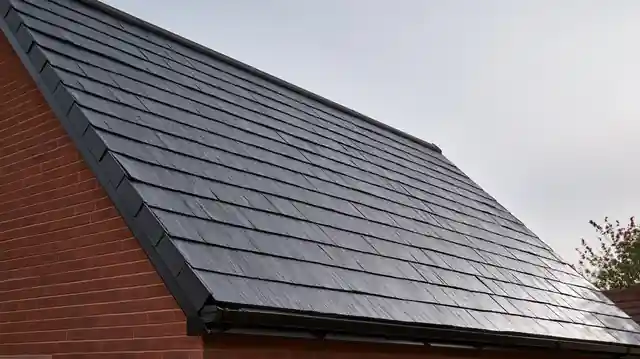
Roof Repairs Basingstoke
Roof repairs that address the problem early help protect your home and keep costs under control.
Roof Repairs for Basingstoke Properties
Roof repairs are often the right response when a roof has a localised fault but the wider covering is still serviceable. This page explains how repairs are assessed, what may be included in the work, and why a clear scope matters before anything is carried out.
A repair is usually most useful when damage is limited to one area and the rest of the roof is performing as expected. In that situation, the aim is to restore weather protection without disturbing parts that do not need attention.
Good repair work starts with identifying the source of the issue rather than reacting only to the visible effect. A stain inside the property, for example, may point to a defect elsewhere on the roof, flashing or roofline.
The right approach depends on what has failed, how extensive the problem is and whether nearby materials are also affected. That is why a repair should be planned around the condition found on site, not a general assumption about the roof.
Some faults can be dealt with through a targeted repair, while others need a broader section of work to achieve a lasting result. The purpose of the visit is to establish which response is proportionate and practical.
Where possible, a repair should blend with the existing roof and support the same level of protection as the surrounding area. A considered repair is usually the one that resolves the issue cleanly and avoids unnecessary disruption.
For help across the wider property, explore our roof repair specialists serving Basingstoke.
Roof Repair Options at a Glance
- Roof survey and visible-condition check
- Clear explanation of the likely cause
- Appropriate material and access considerations
- Written quotation for the proposed scope
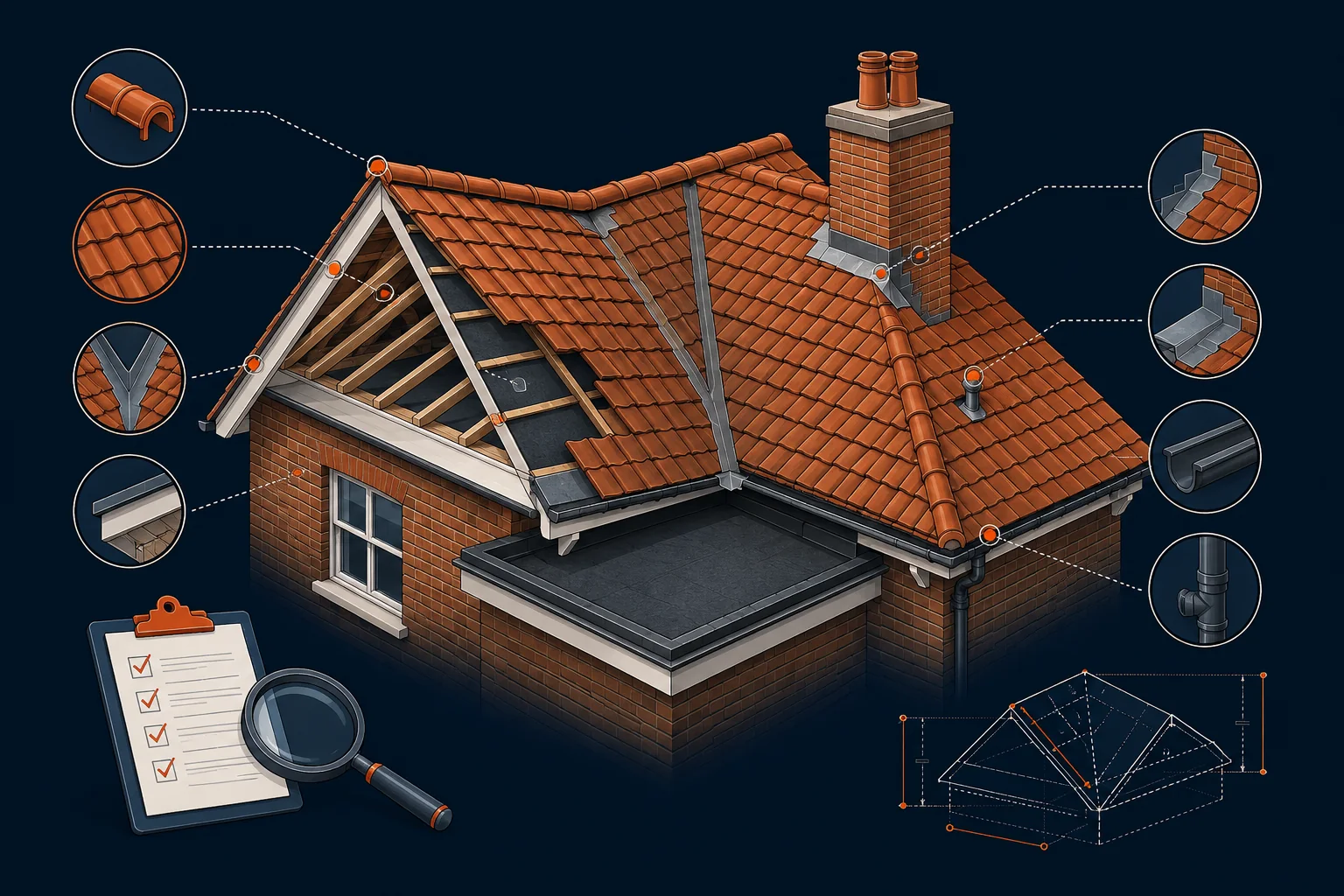
How We Assess Your Roof Repair
Before repair or replacement is specified, the roof needs to be checked carefully for the visible fault, any surrounding wear and the likely cause of water entry. It is also important to consider access, the condition of nearby materials and whether the problem appears isolated or part of a wider pattern.
Repair the cause, not just the symptom
The most effective repairs deal with the cause of the problem, not only the point where it first shows. That might mean tracing an issue past the obvious defect so the finished work actually stops the recurrence.
A patch that only covers a symptom can leave the original failure in place. A better repair plan checks the surrounding details and confirms what needs to be renewed, resealed or reset.
Where several small weaknesses overlap, a slightly larger repair can be more reliable than repeated minor fixes. The aim is to create a sound result that matches the roof’s existing condition and service life.
Roof Materials and Details We Inspect
The inspection should consider the relevant roof materials and detailing, because different assemblies fail in different ways. Edges, joints and transitions often need close attention, especially where water is most likely to enter.
Roof materials
- Clay and concrete tiles
- Natural slate
- Leadwork
- EPDM, GRP and roofing felt
Roof details
- Ridges, hips and valleys
- Verges and eaves
- Chimneys and flashing
- Underlay, battens and drainage
What Roof Repairs Can Cover
Roof repairs can range from a small local fix to a more involved section of remedial work, depending on what the inspection reveals. A suitable response depends on the extent of damage, the condition of nearby materials and whether the issue is isolated or part of broader deterioration.
Some jobs are straightforward and involve renewing a limited area of defective material. Others need additional preparation, matching work or careful opening up before the repair can be completed properly.
If a roof has multiple defects in the same area, the scope may need to include more than the originally visible damage. That helps avoid a situation where one repaired point leaves another weakness close by.
- Localised defects can often be corrected without disturbing a serviceable wider covering.
- Material condition, matching and safe access determine how focused the repair can remain.
- The recommended scope should explain the fault, the proposed work and any visible limitations.
Signs Your Roof May Need Repair
Common signs of a roof issue include cracked, slipped or missing components, damaged flashings and areas that no longer appear secure. Discolouration or staining can also indicate that water is finding a way through somewhere above.
Outside the property
- Slipped, cracked or missing tiles
- Loose mortar around a ridge or verge
- Lifted flashing or open roof junctions
- Debris collecting in gutters after bad weather
Inside the property
- A new water mark or damp patch
- Daylight visible from the roof space
- Damp timber or damaged underlay
- A mark that becomes worse after wind-driven rain
Inside the property, damp patches, marks on ceilings or changes to internal finishes can be an early clue that the roof needs attention. These signs do not prove the exact cause, but they do justify a proper inspection.
It is sensible to act when internal signs appear rather than waiting for the problem to spread. The earlier the cause is identified, the more likely it is that a focused repair will be enough.
What Affects Roof Repair Cost?
Repair cost is influenced by the size of the affected area, the materials involved and how straightforward the roof is to work on. Access, hidden damage and the amount of matching needed can also affect the final scope.
Repair scope
The scope should set out exactly what is included so you know whether the work covers a small local repair or a broader remedial section. Clear specification helps prevent misunderstandings and makes the result easier to compare.
Safe access
Safe access matters because the roof must be reached and worked on without creating avoidable risk. If access is awkward or restricted, the repair method may need to be adjusted accordingly.
Material matching
Material matching is often important where the repair sits alongside an existing roof covering. Matching the look and performance of the surrounding materials can help the finished work sit more naturally within the roof.
Hidden condition
Some defects are more extensive than they first appear because hidden deterioration only becomes clear once the area is opened up. That is why the visible fault should be treated as the starting point, not always the full picture.
Repair the Roof or Consider Replacement?
A repair is usually the first option when the roof is broadly sound and the problem is localised. Replacement may be worth considering when failures are widespread, repeated or tied to more general deterioration.
The decision is not only about one damaged area but about the roof’s overall condition and remaining usefulness. If the same type of issue is appearing in several places, replacement can become the more practical route.
A careful assessment should show whether the roof can reasonably continue with targeted repairs or whether the underlying condition points to a wider project. The best choice is the one that gives the most dependable outcome for the situation found.
What the Roof Repair Quotation Should Explain
Condition
Condition is central to the decision because a roof in good overall order is often a strong candidate for repair. Where the general state is poor, the most sensible option may shift toward more extensive work.
Access
Access affects how easily the work can be completed and what methods are appropriate. Difficult access can increase the amount of preparation needed and may influence how the repair is planned.
Specification
The specification should explain the intended repair method, the materials to be used and any preparation required before the work begins. It should also make clear what is included so the scope is easy to understand.
Roof Repairs FAQs
Yes. If the problem is limited and the surrounding roof remains in workable condition, a small part can often be repaired without replacing the whole roof. The key is confirming that the local fault is truly isolated and that the adjoining materials can still perform properly.
Not always. Weather can expose an existing weakness without meaning the entire roof has failed. A repair may be enough when the damage is localised, but a wider issue may call for a broader solution if the underlying condition is poor.
Start with the condition of the roof as a whole, then consider how widespread the defect is and whether the same issue has appeared before. If the problem is limited and the rest of the roof is serviceable, repair is often the sensible choice; if not, replacement may be more appropriate.
Include a brief description of the problem, where it is showing, and any internal signs you have noticed. If you can share photos and say whether the issue has happened before, that can help the enquiry be assessed more efficiently.
Ask about roof repairs
A written quotation should reflect what the inspection found, how easy the roof is to access, what materials are needed and how broad the repair scope must be. When these points are clearly set out, you can see whether the work is limited to a small fix or involves a more substantial remedial section.
If you are unsure how serious a roof issue is, a clear inspection is the best starting point. That lets the repair be planned around the actual condition found, rather than guesswork, and gives you a more reliable basis for deciding what to do next.