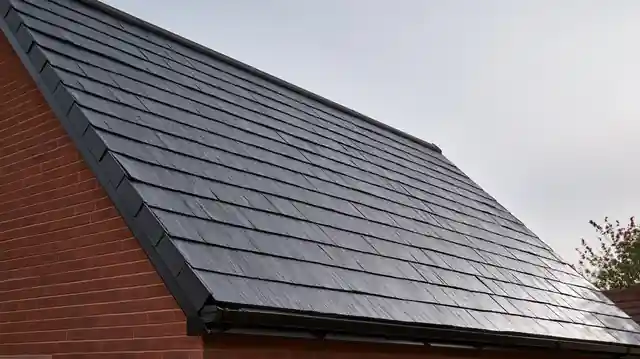
Tiled Roofing Basingstoke
Tiled roofing support that keeps your roof watertight, tidy and fit for the work it needs.
Tiled Roofing for Basingstoke Properties
Tiled roofing can be relevant when you need repairs, replacement work or a clearer view of roof condition before deciding what to do next. On a property in Basingstoke, the right approach depends on what is found on inspection, rather than on assumptions about the roof from the address alone.
A tiled roof may need attention if tiles have moved, cracked or become weathered, but the repair approach should always follow a proper check of the roof itself. That helps separate a small local repair from wider work that may be better planned as part of a larger scope.
Customers often want to know whether a tile problem can be handled quickly or whether the issue suggests deeper roof work. Clear assessment of the covering, fixings and surrounding details helps decide whether the job is limited to a few tiles or needs broader attention.
Good tiled-roof advice should explain the likely options in plain language, including repair, partial replacement or a fuller plan if the roof condition calls for it. That makes it easier to choose work that matches the actual problem and avoids unnecessary disruption.
Our local tiled-roof specialists serving Basingstoke also cover slate, flat roofs, repairs and roofline work.
Tiled Roofing Topics at a Glance
- Roof survey and visible-condition check
- Clear explanation of the likely cause
- Appropriate material and access considerations
- Written quotation for the proposed scope
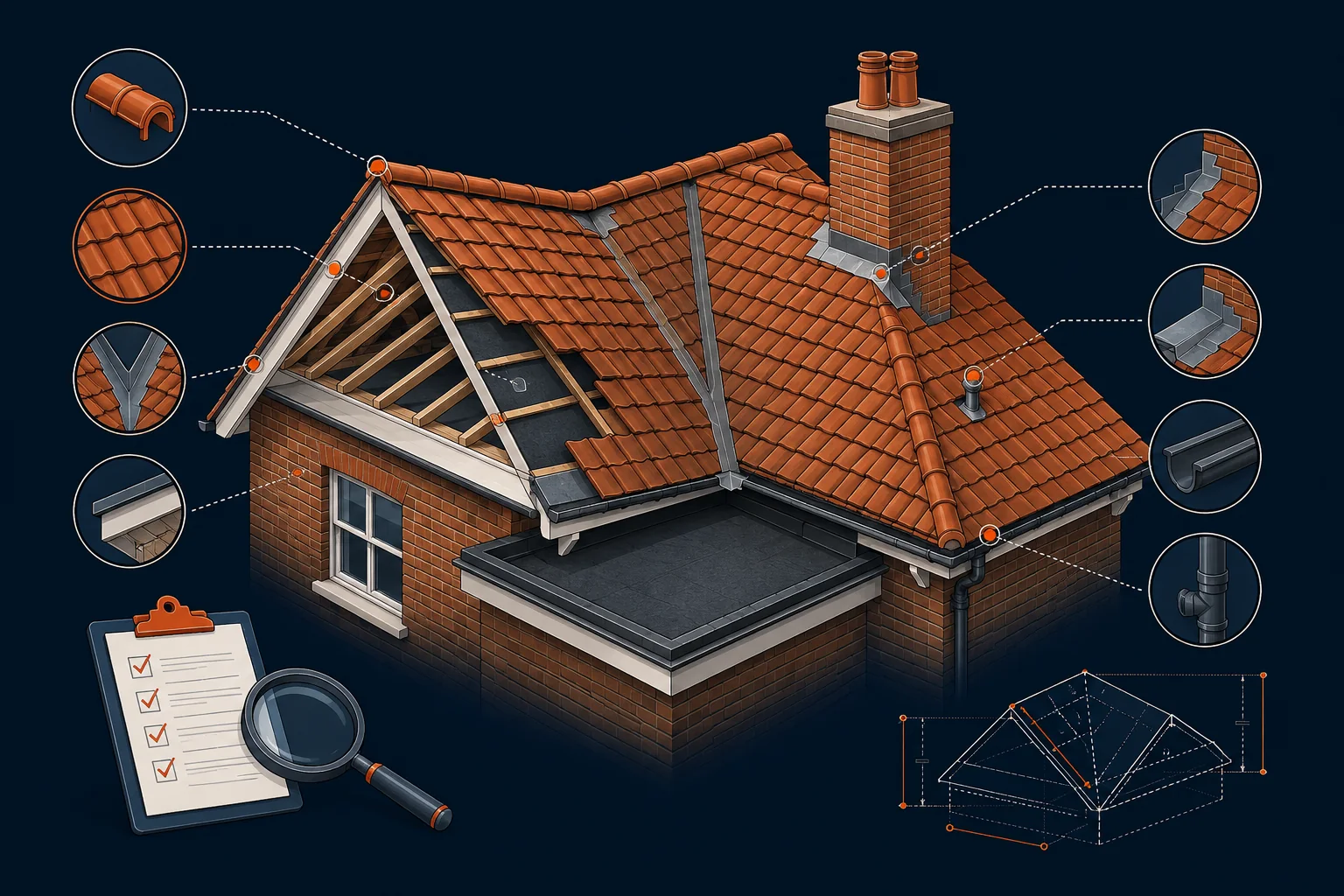
How We Assess a Tiled Roof
Before repair or replacement is specified, the roof should be checked for visible tile damage, slipped areas, worn bedding, failed fixings and any signs that the surrounding details are contributing to the problem. The aim is to understand both the immediate fault and the wider condition that affects how durable the next repair is likely to be.
Inspect before specifying the work
A careful inspection looks beyond the obvious broken tile to see whether the issue is isolated or part of a pattern. That can prevent repeat call-backs when one damaged area has been caused by movement, wear or another roof detail nearby.
It also helps to identify whether matching tiles are available and whether a straightforward replacement will sit properly with the existing roof. If the replacement would leave the roof uneven or vulnerable, a different scope may be more suitable.
The inspection stage is also the time to consider whether access, working height and the layout of the roof will affect the method used. Those practical points shape the safest and most sensible way to carry out the work.
What guides the quotation
A quotation should be guided by what is found on the roof, what materials are needed and how much of the tiled area is involved. If the work is minor, the scope may be simple; if several sections are affected, the plan should reflect that wider need.
Assessment focus
- Inspect tiles and fixings
- Check battens and underlay
- Match the tile profile
Written scope
- Visible condition
- Safe access
- Material specification
- Relevant exclusions
Roof Tile Repairs and Replacement
Tile repair and replacement work should match the actual condition found, not just the most visible symptom. A suitable response may range from swapping a damaged tile to addressing a larger section where wear, movement or repeated failure make isolated repairs less effective.
If the roof has only one or two damaged tiles, the work may remain localised, provided the surrounding tiles and supporting details are sound. Where the pattern of damage is broader, the repair plan should reflect the full area affected.
Replacement is often considered when the existing tiles are too worn, too mismatched or too unstable for a dependable patch repair. In those cases, a clearer scope can reduce the chance of recurring issues.
- Tile profile, size and condition are checked before compatible replacements are selected.
- Fixings, battens and underlay are considered where they can be inspected safely.
- The scope distinguishes an isolated tile repair from deterioration affecting a wider roof area.
Tile Roof Repairs
Tile roof repairs should start with the source of the defect, not only the visible break or displacement. That may include the tile itself, its fixing method or the condition of the neighbouring roof area.
A repair that ignores the cause may only provide short-term relief. A better approach is to correct the fault in a way that helps the roof remain secure and weather-resistant after the work is complete.
Where several tiles are affected, the repair may need to extend beyond a single point to create a stable result. That is especially important if movement has spread or if surrounding tiles are already compromised.
- Identify the correct tile profile, size and interlock
- Check nearby fixings, battens and underlay where safely visible
- Replace damaged units without unnecessarily disturbing sound courses
Replacing Roof Tiles
Replacing roof tiles is usually straightforward when the new tile can be fitted securely and the surrounding roof remains in good condition. The goal is a replacement that performs properly without disturbing more of the roof than necessary.
A replacement tile should suit the existing roof in profile and size where possible, so the repaired area sits correctly and sheds water as intended. Poor matching can leave the roof looking uneven and can make the repair less reliable.
If more than one tile is damaged, it may be more efficient to replace the affected group together rather than return for repeated small interventions. The best option depends on how widespread the damage is and whether the roof around it is still sound.
When replacement is discussed, it is useful to confirm whether any supporting components also need attention. A tile change alone may not be enough if the underlying issue has already affected adjacent parts of the roof.
- Source compatible replacements or agree an appropriate visual match
- Lift adjoining tiles carefully to protect sound edges and fixings
- Reinstate the correct headlap, alignment and weathering detail
Clay and Concrete Roof Tiles
Clay and concrete roof tiles can both be repaired, but the method and matching considerations may differ. The right choice depends on the tile type already on the roof and how well replacement parts can blend with it.
Clay tiles are often chosen for their traditional appearance, while concrete tiles may be used in a different style or format. In either case, the repair should be planned around the existing roof so the result is secure and coherent.
When tile types differ, a careful inspection helps determine whether a like-for-like repair is realistic or whether another approach is needed. That avoids forcing an unsuitable tile into a roof that needs a better-matched solution.
- Confirm roof pitch and structural suitability for the selected tile
- Consider colour variation, surface weathering and expected appearance
- Use compatible ridge, verge, ventilation and other proprietary fittings
Tile Lifespan and Roof Details
The useful life of a tiled roof depends on the tile condition, the supporting details and how well the roof has been maintained over time. A roof can still need local repairs long before it reaches the point where wider renewal is sensible.
Signs such as repeated slipping, widespread wear or multiple failed areas can indicate that the roof is moving beyond simple patch repairs. In those cases, a more complete plan may be the better long-term decision.
Details around the tiles matter as much as the tiles themselves, because a roof performs as a system. If surrounding parts are failing, the lifespan of a repair may be limited unless those issues are also addressed.
- Condition of fixings, battens, underlay and roof ventilation
- Performance of ridge, verge, valley and flashing details
- Exposure, maintenance and speed of attention to isolated damage
A Written Plan for Tiled-roof Work
Condition
Condition is the main guide to the next step, so the roof should be assessed on what is actually worn, broken or unstable. That creates a clearer path to either a targeted repair or a larger scope if the roof needs it.
Access
Access affects how safely and efficiently tile work can be carried out, especially where the roof is awkward to reach or the affected area is spread across more than one section. A sensible plan takes that into account from the start.
Specification
Specification should name the exact work to be done, the area involved and any materials required to complete it properly. A precise scope helps avoid confusion and makes it easier to compare options if more than one solution is possible.
Tiled Roofing FAQs
Yes, if the tile is accessible and the surrounding roof is sound, one broken roof tile can often be replaced on its own. The key is to confirm that the damage is isolated and that the replacement will sit securely with the existing roof.
Roof tiles may slip when fixings fail, bedding degrades or the roof has been affected by weather and movement. A slipped tile should be checked promptly because it can leave the roof less able to keep out water.
Clay and concrete tiles are both repaired by working to the condition of the individual roof, but they are not always handled in exactly the same way. Differences in size, profile and matching mean the repair method should suit the tile type already in place.
A tiled roof may need replacement when damage is widespread, repairs keep recurring or the roof can no longer provide a dependable weatherproof covering. If the condition is still localised, targeted repairs may remain the better option.
Ask about tiled roofing
A written quotation should reflect the inspection findings, the materials required and the amount of roof area involved. It should also allow for access needs and any extra work that becomes necessary once the full condition of the tiled roof is understood.
If you want a clear next step for tiled roofing, start with an inspection that identifies the actual condition and likely scope. That makes it easier to decide whether the work is a simple repair, a set of replacements or a more complete roofing plan.