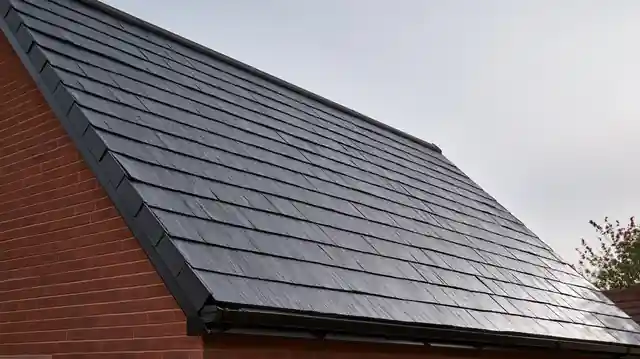
Slate Roofing Basingstoke
Slate roofing repairs and replacements that protect your home and help keep your roof performing as it should.
Slate Roofing for Basingstoke Properties
Slate roofing can be a practical choice when you need repairs, renewal or clear advice on the condition of an existing roof. This page explains how the service is assessed, what influences the specification and how a written quotation is shaped around the work that is actually needed.
When slate begins to slip, crack or weather unevenly, the right response depends on whether the problem is localised or part of wider wear. A careful assessment helps distinguish a straightforward repair from a larger project, so the work can be planned sensibly and without unnecessary disruption.
Good slate roofing advice starts with the roof in front of you, not with a preset solution. Matching the approach to the existing covering helps preserve appearance where possible while still addressing the cause of leaks, movement or deterioration.
If you are comparing repair and replacement options, it helps to look at the whole roof rather than a single visible fault. That way, the proposed work can reflect the condition of the slates, supporting components and surrounding details together.
Compare this service with the other work provided by our slate and roofing team serving Basingstoke.
Slate Roofing Options at a Glance
- Roof survey and visible-condition check
- Clear explanation of the likely cause
- Appropriate material and access considerations
- Written quotation for the proposed scope
How We Assess a Slate Roof
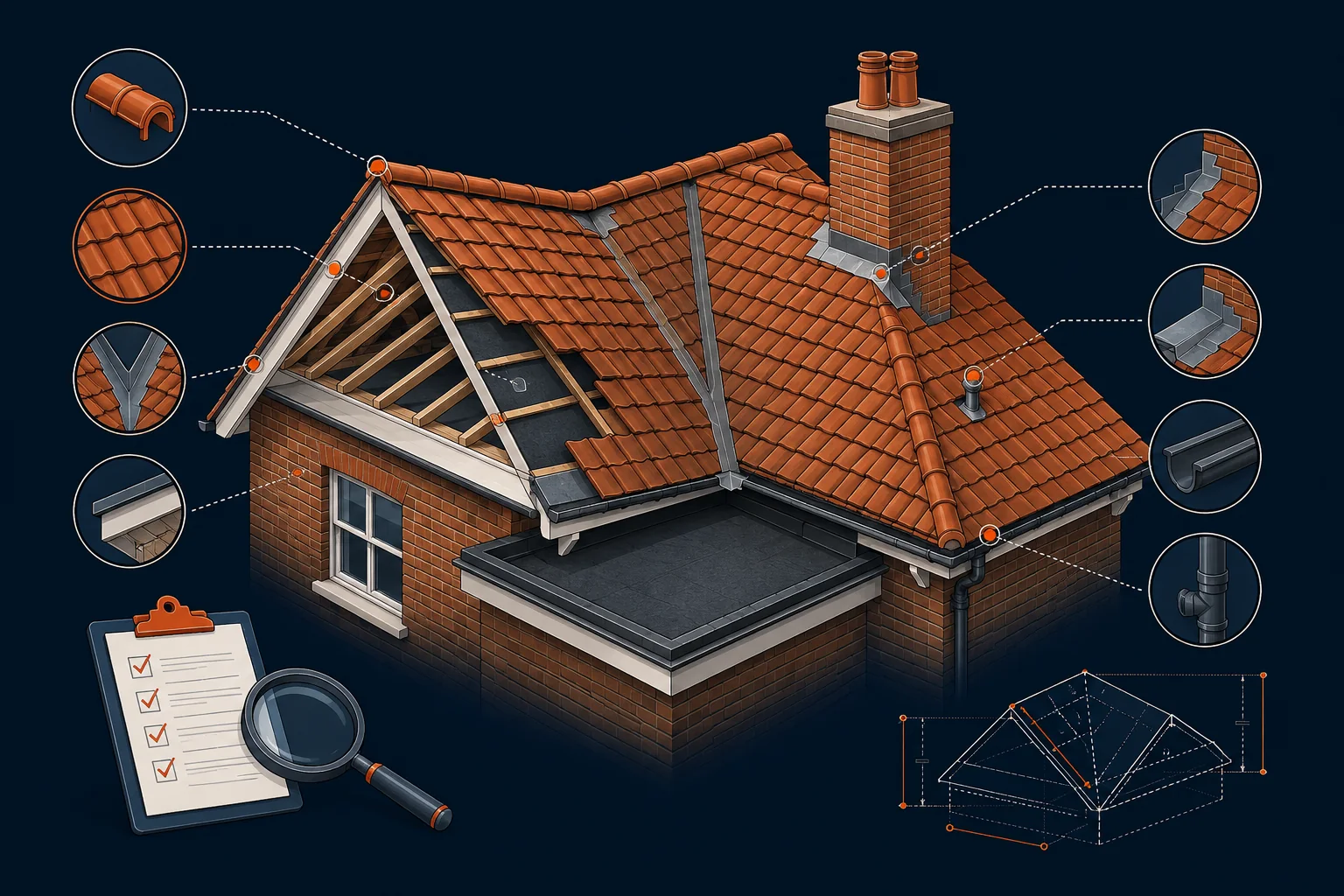
Before any slate repair or replacement is specified, the roof should be checked for slipped or broken slates, failed fixings, weathering, and signs that the issue extends beyond one area. The assessment also needs to consider the condition of nearby details so the recommendation fits the roof as a whole.
Inspect before specifying the work
Inspecting before specifying the work helps avoid treating a symptom while missing the underlying cause. A slate roof may show damage where water has entered, but the actual defect can be higher up, around fixings, or in adjacent junctions.
It is also important to see how the affected area sits within the rest of the roof. A small patch of damage can sometimes be repaired directly, while broader wear may call for a more joined-up approach that reduces repeat callouts.
An inspection should leave enough information to explain both the visible fault and the likely remedy. That makes it easier to decide whether the roof needs targeted repairs, partial renewal or fuller replacement work.
What guides the quotation
A quotation is guided by the scope of the problem, the materials needed, and the level of access required to complete the work safely. It should also reflect whether the job is a simple repair, a like-for-like replacement, or a broader renewal with additional detailing.
Assessment focus
- Check slates and fixings
- Review battens and underlay
- Match size and thickness
Written scope
- Visible condition
- Safe access
- Material specification
- Relevant exclusions
Slate Roof Repairs and Replacement
Slate roof work should be matched to the condition found during inspection. Some roofs only need individual repairs, while others are better served by replacement of worn sections or a fuller renew-and-match approach where the existing covering has reached the end of its practical life.
Repairs are usually the first option when the roof remains broadly sound and the issue is limited to specific slates or local fixing defects. Replacement becomes more likely when damage is widespread, repairs would be repeated often, or the roof can no longer be kept in reliable condition with patch work alone.
The best scope is the one that solves the immediate problem without overlooking the roof’s wider condition. That may mean a small, precise repair today, or a more substantial programme if the inspection shows age-related wear across a larger area.
- Existing slates are assessed for condition, compatibility and potential salvage.
- Replacement slates need to suit the size, thickness and appearance of the surrounding covering.
- Fixings, battens and adjoining roof details are considered before the work is specified.
Slate Roof Repair
A slate roof repair should focus on the fault that is actually causing the issue, not just the visible symptom. That can involve replacing broken slates, correcting slipped areas, or dealing with failed fixings and surrounding details that allow water in.
Where possible, repairs should blend into the existing roof and preserve as much of the original covering as is still serviceable. The aim is to restore performance while keeping the intervention proportionate to the damage found.
If the same problem is likely to recur because the surrounding slates are also worn, the repair should be reviewed carefully. In those cases, a more extensive scope may offer better long-term value than repeated small interventions.
- Secure slipped slates and replace units that are cracked or broken
- Check visible fixings and battens for localised deterioration
- Match the replacement size, thickness and appearance as closely as practical
Slate Roof Replacement
Slate roof replacement is considered when the covering has deteriorated beyond reliable repair or when defects are too widespread to manage effectively in sections. A replacement scope should be based on the condition of the roof as inspected, not on appearance alone.
Replacement work should still respect the structure beneath the slates and the roof details that support long-term performance. That means the specification needs to account for the full build-up, not only the visible finish.
A well-planned replacement gives you a clearer route to a consistent finish and a more dependable roof covering. The exact extent of work depends on what the inspection reveals and how much of the existing roof can reasonably be retained.
- Sort and retain reusable natural slates where appropriate
- Inspect supporting timber, battens and underlay after careful stripping
- Specify coverage, headlap and fixing method for the replacement system
Natural and Fibre-cement Slate
Natural slate and fibre-cement slate are different materials, so the right choice depends on the roof specification, budget and the finish you want to achieve. The most suitable option is the one that fits the existing roof conditions and the intended scope of work.
Natural slate is often considered where a traditional appearance and material continuity are important, while fibre-cement slate may suit some replacement or repair situations where a compatible, practical alternative is needed. The key is to match the material to the roof rather than selecting it in isolation.
Whichever slate type is used, compatibility with the surrounding roof details matters. Fixing method, thickness, coursing and the existing layout all influence how well the finished area performs and how closely it relates to the roof around it.
- Natural slate offers quarried variation in colour, texture and durability
- Fibre-cement slate provides a consistent manufactured format
- Compatible fittings and fixing patterns must suit the chosen product
A Slate-roof Specification That Fits the Existing Covering
Condition
The condition of the existing roof determines whether repair, partial renewal or full replacement is the sensible route. A clear inspection should separate isolated damage from broader deterioration so the recommendation is based on evidence.
Access
Access affects how safely and efficiently slate work can be carried out. The roof’s height, layout and working conditions all influence the practical approach and therefore the overall scope of the job.
Specification
Specification is about making sure the chosen materials and method suit the roof that is already there. A good specification balances appearance, durability and compatibility so the finished work is appropriate to the property.
Slate Roofing FAQs
Yes. If only one slate has slipped and the surrounding area is sound, it can often be repaired without replacing the whole roof. The important part is checking why it slipped, because the fix may need to include the cause as well as the slate itself.
Slates usually slip when fixings age, battens or nails fail, or the roof has been affected by movement and weathering over time. The visible slip is often the result of a wider issue, so the surrounding area should be inspected before deciding on the repair.
Natural slate can often be matched, but the result depends on the age, colour, thickness and weathering of the existing roof. Sometimes a close match is possible, while in other cases a near match is the most practical option.
A slate roof may need replacement when damage is widespread, repeated repairs are no longer sensible, or the covering has deteriorated beyond reliable patching. An inspection should confirm whether the roof still has enough sound slate to justify repair or whether renewal is the better solution.
Ask about slate roofing
A written quotation should follow the inspection findings so the proposed work reflects the roof’s actual condition. It should account for the materials selected, the extent of repairs or replacement, and any access needs that affect how the work can be completed.
If you need slate roofing advice, start with a clear view of what is wrong and what the roof still has to offer. From there, the work can be specified in a way that is practical, proportionate and suited to the covering in place.