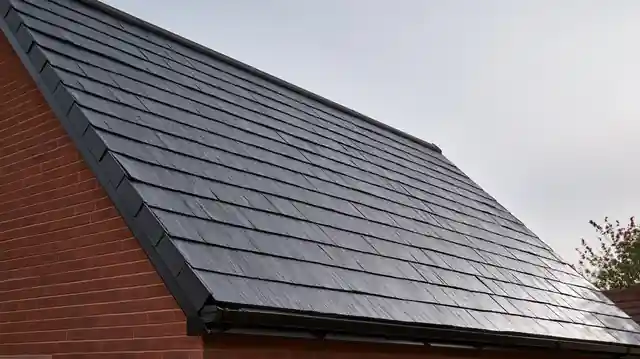
Roof Surveys & Inspections Basingstoke
Roof surveys and inspections in Basingstoke help identify issues early and clarify the right next step.
Roof Surveys & Inspections for Basingstoke Properties
A roof survey is useful when you need a clear view of roof condition before deciding on repairs, maintenance, or further advice. It can help you understand what is happening, what may need attention, and how any work should be approached in a practical way.
For homeowners and property managers, an inspection provides a structured check rather than a guess. That means the findings can be used to plan sensible next steps with more confidence.
A survey is most valuable when a roof problem is not yet fully understood. Signs such as water ingress, missing coverings, slipped components, staining, or repeated minor defects can all justify a closer look.
It can also be sensible before buying, selling, or arranging planned works, because the inspection helps separate visible symptoms from the underlying condition.
Different roof issues can look similar from the ground, so a survey helps distinguish between isolated damage and wider deterioration. That distinction matters when deciding whether a repair, partial renewal, or more detailed investigation is appropriate.
The aim is to produce a measured view of the roof rather than an immediate assumption. Clear findings make it easier to avoid unnecessary work and focus on the areas that truly need attention.
A good inspection considers the roof as a whole, not just the most obvious defect. That includes the general condition, the surrounding details, and anything that could affect performance or durability.
By reviewing the roof in context, the survey supports better decisions about urgency, scope, and the most suitable next step.
The survey can help identify which of our roof inspection and roofing services in Basingstoke is most relevant.
Roof Survey Topics at a Glance
- Roof survey and visible-condition check
- Clear explanation of the likely cause
- Appropriate material and access considerations
- Written quotation for the proposed scope
How We Carry Out a Roof Survey
Before any repair or replacement is specified, the roof should be checked carefully enough to understand the cause, extent, and likely impact of the problem. The assessment should identify whether the issue is localised or part of broader wear.
It is also important to note any limitations that affect the inspection itself, because those limitations can influence how confidently work can be defined.
Inspect before specifying the work
Inspection before specification helps ensure the proposed work matches the roof’s actual condition. That is especially important where visible symptoms may come from a different part of the roof than expected.
A careful survey reduces the risk of over-specifying work that is not needed, while also helping to avoid underestimating more serious defects.
The inspection should look beyond the obvious fault and consider adjacent areas that may have been affected. Small failures can sometimes create broader issues over time, particularly where water has entered concealed parts of the roof.
That wider view makes it easier to decide whether a targeted repair is likely to be enough or whether a more involved scope should be considered.
A well-judged recommendation depends on evidence gathered during the survey, not on assumptions made beforehand. The purpose is to describe the roof’s condition in a way that supports sensible planning.
Where different options are possible, the inspection should help explain why one approach may be more suitable than another.
What guides the quotation
The quotation should be guided by what the survey finds, including the extent of defects, the materials involved, and the amount of work needed to complete the job properly.
Access needs and any special requirements can also affect how a written quote is framed, because they influence the practical scope of the work.
Assessment focus
- Agree the inspection scope
- Record access limitations
- Set out suitable next steps
Written scope
- Visible condition
- Safe access
- Material specification
- Relevant exclusions
What to Expect from a Roof Survey
A roof survey should lead to a response that fits the condition found. In some cases that may mean a focused repair recommendation; in others, the findings may point towards more extensive work or further investigation.
The right scope depends on what is visible, what can be confirmed during inspection, and how the roof is performing overall. A careful survey keeps the recommendation aligned with the evidence.
Where a roof has multiple issues, the survey should help sort them into priority order. That makes it easier to decide what needs attention first and what can be monitored.
This is useful because not every defect carries the same urgency, and a clear order of importance supports more practical planning.
If further investigation is needed, the survey findings should explain why. That might be because part of the roof could not be fully viewed, or because the visible signs suggest a deeper issue.
Clear guidance at this stage helps avoid guesswork and makes it easier to choose the next step with confidence.
- Accessible external coverings, junctions and rainwater details are reviewed systematically.
- Internal roof-space conditions are recorded where safe access is available.
- Findings, access limits and recommended next steps are presented clearly rather than as a vague fault list.
What a Roof Survey Covers
A roof survey usually considers the overall roof structure and visible coverings, along with the parts that help the roof function properly. The aim is to understand the roof as an assembly of connected elements.
That wider review supports a more reliable view of condition than checking only one isolated area.
Attention should also be given to details where problems commonly develop, because small defects at junctions or edges can affect the roof’s performance. These areas often help explain how water is entering or why deterioration is spreading.
By reviewing the details alongside the main roof areas, the survey can identify where the real source of the issue is likely to be.
A useful survey records both obvious damage and less visible concerns that may influence future performance. That can include signs of wear, movement, or previous work that may not be performing as intended.
The result is a fuller picture of roof condition, which is more helpful than a brief visual check alone.
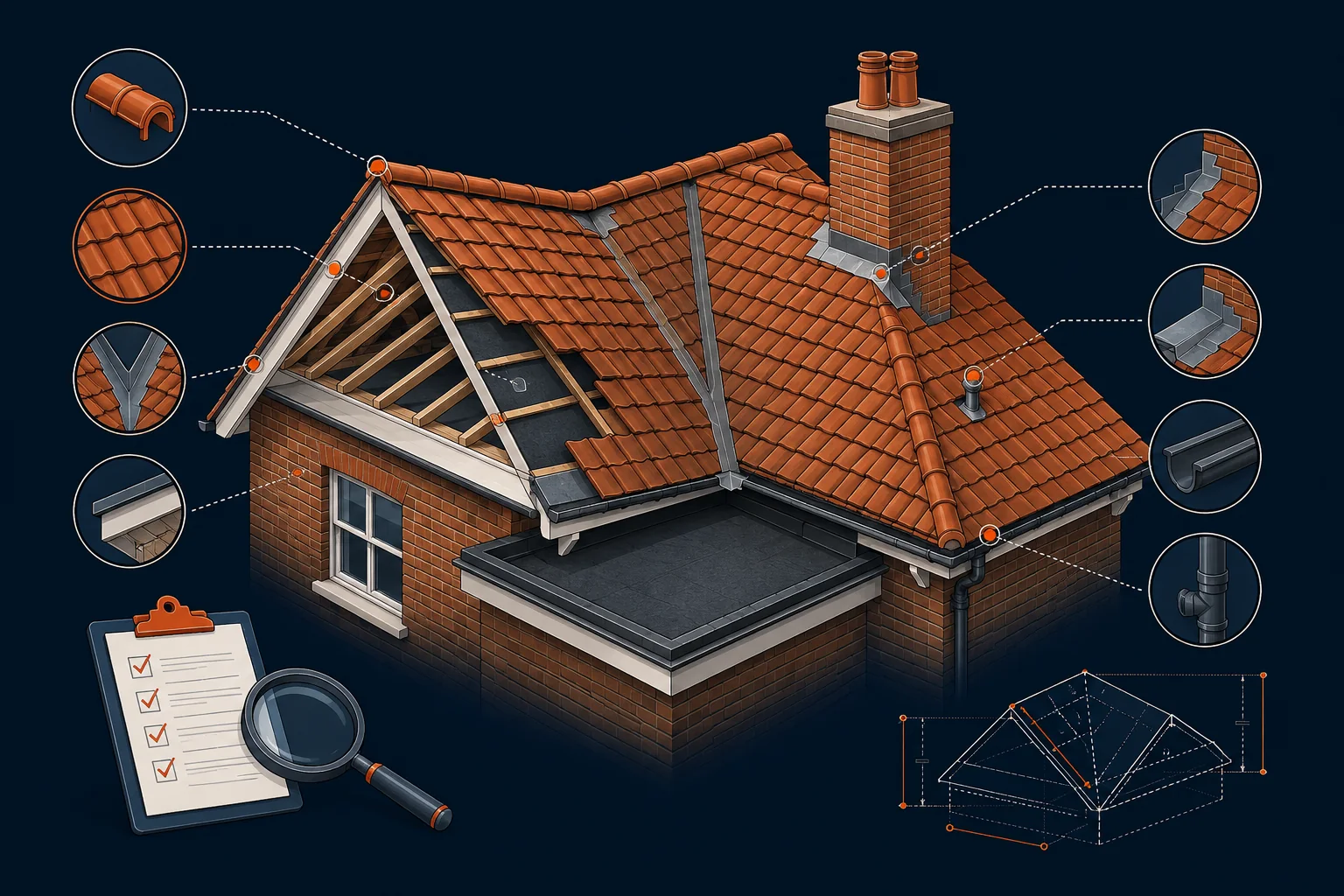
- Coverings, ridge, hips, valleys, verges, chimneys and visible flashings
- Roof-space structure, underlay and ventilation where safe access is available
- Gutters, outlets and visible rainwater routes around the property
When to Arrange a Roof Inspection
It is sensible to arrange a roof inspection when you notice a change in how the roof is performing, even if the problem seems small at first. Early assessment can prevent minor issues from becoming harder to manage.
A survey is also helpful when you want a professional view before committing to work, because it gives you a clearer basis for deciding what to do next.
An inspection can be especially useful after repeated leaks, storm-related concerns, or signs that a roof may be deteriorating. In those situations, understanding the condition early can help you avoid delays in planning.
It can also support routine maintenance decisions by showing whether the roof is still serviceable or whether more attention is becoming necessary.
If you are unsure whether a roof problem is urgent, a survey can provide the context needed to judge the situation properly. That is better than relying on a single visible symptom.
The findings can then guide whether immediate action is advisable or whether the issue can be monitored for the time being.
- Before purchase when the general building survey raises a roof concern
- After repeated staining, slipped materials or unexplained deterioration
- Ahead of planned work when priorities and likely scope need to be established
The Roof Condition Report
A roof condition report should present the findings in a clear, usable form. The report is there to summarise what was checked, what was found, and what those findings mean for the roof going forward.
That makes it easier to share the information with other decision-makers and to use it when planning repair or maintenance work.
A useful report should separate observations from recommendations. That distinction helps you understand which items were seen during the survey and which actions are suggested because of them.
When the findings are written clearly, it becomes easier to compare options and decide on the most appropriate next step.
The report should give a practical picture of roof condition, not just a list of faults. It should help explain the significance of the defects and how they affect the overall roof.
That makes the document more valuable when you need to plan, budget, or request further roofing advice.
- Photographs and locations for the significant visible findings
- Practical priorities divided into repair, monitoring or maintenance
- Access limitations and recommendations for any further investigation
What Affects Roof Survey Cost
Roof survey cost is affected by the amount of inspection required and the complexity of the roof being assessed. A straightforward check is different from a more involved survey that needs extra time or access arrangements.
The level of detail needed in the report can also influence the scope of the service, because more comprehensive findings usually require more careful assessment.
Access can play a major role in how a survey is carried out, especially where parts of the roof are harder to reach. If extra measures are needed to inspect safely and properly, that can affect the overall service scope.
The more time needed to assess all relevant areas, the more carefully the survey has to be planned.
Material type and roof complexity can affect the way a survey is approached, because different roofs present different details to inspect. The more elements there are to review, the more involved the assessment may become.
This is why a quotation should follow the inspection findings rather than being based on a general assumption about the roof.
- Property size, roof complexity and number of separate elevations
- Safe external access and availability of the internal roof space
- Level of photographic evidence and written reporting requested
From Inspection Findings to Clear Next Steps
Condition
Condition is central to the survey because the state of the roof determines what should happen next. A roof in generally sound condition may only need monitoring or limited maintenance, while a poorer condition may justify more extensive recommendations.
That makes the inspection valuable for separating routine wear from issues that are likely to need prompt attention.
Access
Access affects what can be checked and how confidently the roof can be assessed. If any part of the roof is difficult to reach, that may limit what can be confirmed during the survey.
A clear inspection should note those limitations so the findings are understood in the right context.
Specification
Specification should follow the inspection, not precede it. Once the roof condition is understood, the proposed work can be set out in a way that is proportionate to the findings.
That approach helps ensure the recommended scope is practical, appropriate, and based on what the roof actually needs.
Roof Surveys & Inspections FAQs
A roof survey typically checks the visible roof coverings, key junctions, and any areas showing signs of damage or wear. It also looks for issues that could explain leaks, deterioration, or previous patch repairs.
The purpose is to understand both the obvious defects and the wider condition so that any recommendation is based on the roof as a whole.
A roof condition report is useful when you need a clear written record of what was found and what it means. It can help after a concern has been identified, or before you decide whether to carry out work.
It is also helpful when you want a documented basis for planning, comparing options, or discussing the roof with others involved in the decision.
Yes, a roof survey report can include photographs where they help explain the findings. Images are useful because they show the condition being described and make the report easier to understand.
Whether photographs are included depends on the inspection and the findings recorded, but they are often valuable when clarity matters.
Drone surveys may be offered where they are suitable for the roof and the access conditions. They can help provide a useful view of areas that are otherwise difficult to inspect safely.
However, not every roof is best assessed the same way, so the method should suit the property and the information needed from the survey.
A survey does not usually include repair work unless that has been separately arranged. Its purpose is to assess the roof and provide findings that support the next decision.
If repairs are needed, the survey should help define them clearly so the work can be quoted or planned appropriately.
Ask about roof surveys & inspections
A written quotation should reflect the inspection findings, the scope of work, and any constraints identified during the survey. That includes the condition of the roof, the materials involved, and the access needed to complete the job properly.
By tying the quote to the survey evidence, the proposed work is easier to understand and compare. It also helps ensure the recommendation is proportionate to the roof’s actual condition.
If you would like a roof survey or inspection arranged, the next step is usually to discuss the concerns you have and the type of information you need back. That helps shape the inspection so it answers the right questions.
A clear survey can save time later by giving you a more reliable basis for deciding on repairs, maintenance, or further roofing advice.