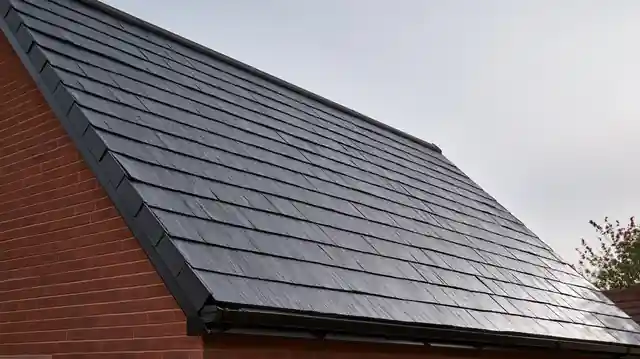
Roof Repointing Basingstoke
Roof repointing helps secure vulnerable mortar joints and keep your roof performing as it should.
Roof Repointing for Basingstoke Properties
Roof repointing is a practical service when mortar joints have started to fail and need attention. This page explains what the work involves, how the condition is assessed, and how a suitable scope is put together for Basingstoke properties without assuming every roof needs the same approach.
A careful inspection matters because damaged pointing can have different causes and may affect only limited areas or more widespread sections. Understanding the condition first helps make the right repair decision and avoids specifying unnecessary work.
If pointing has started to break down, the first priority is to understand how far the issue has progressed. Some roofs need only localised repair, while others may need a broader repointing scope where more of the mortar has weakened.
Good guidance starts with the visible condition of the joints, but it also considers how the roof is performing overall. That helps keep the work proportionate to the problem found.
Repointing is most useful when the mortar is no longer doing its job of holding the joint securely. Crumbling, cracked or missing mortar can leave the roof more exposed to movement and weathering.
Where deterioration is limited, a targeted repair may be enough. Where the joints have failed more widely, a more complete repointing approach may be the better long-term answer.
The aim is not simply to add new mortar, but to restore a sound joint that suits the roof’s existing construction. That means the work should be matched to the condition found rather than treated as a one-size-fits-all task.
A well-judged repointing job can improve the roof’s resilience and reduce the chance of recurring mortar failure in the same areas.
Repointing is one part of the work covered by our roofing company serving Basingstoke.
Roof Repointing Topics at a Glance
- Roof survey and visible-condition check
- Clear explanation of the likely cause
- Appropriate material and access considerations
- Written quotation for the proposed scope
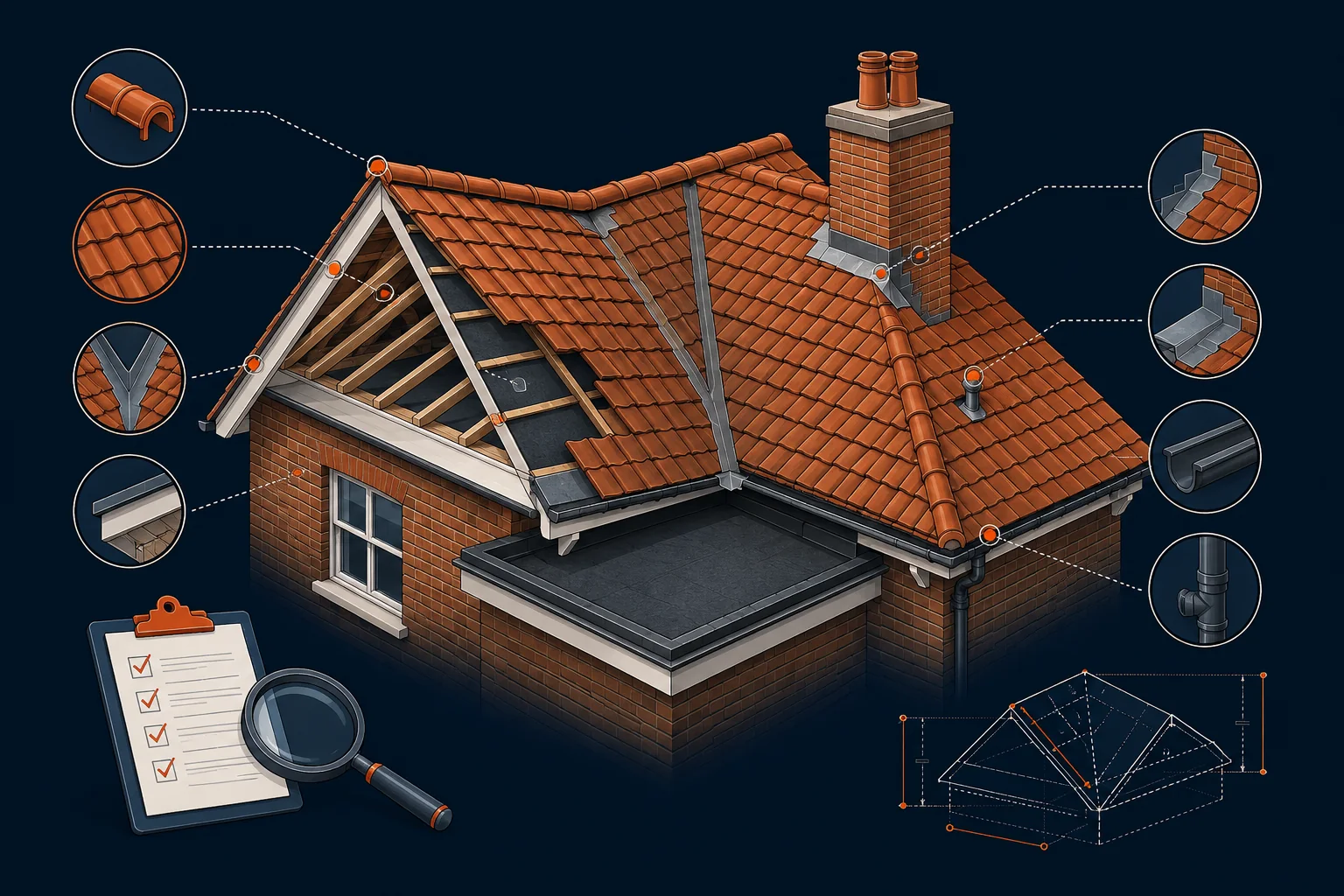
How We Assess Roof Pointing
Before any repair or replacement is specified, the roof pointing should be checked for the extent of damage, the stability of the existing mortar and any signs that nearby areas are also affected. The assessment should identify whether the issue is isolated, recurring or part of broader wear.
It is also important to consider whether the mortar is simply aged or whether movement, weather exposure or previous repairs have contributed to the failure. That context helps determine the most suitable repair plan.
Inspect before specifying the work
A close inspection helps separate surface wear from more serious loss of bond in the joints. That distinction matters, because superficial cracking does not always mean the same solution is needed as when the mortar has already loosened or fallen away.
The best approach is to inspect the roof carefully before work is set out, so the repair plan reflects what is actually present rather than a guess based on appearance alone.
Inspection should also look for areas where the mortar has become powdery, recessed or uneven, since these are signs that the joint may no longer be protecting the roof properly. Where the finish has failed, the surrounding material may need more than a cosmetic touch-up.
Checking the wider roof area helps show whether the problem is localised or recurring, which affects both the method and the size of the work.
An inspection is useful because it shows whether the joints can be repaired cleanly or whether sections are too deteriorated for a simple patch. That decision should be based on what the roof can genuinely support.
It also helps avoid overworking sound areas. A measured assessment keeps the specification focused on the joints that actually need attention.
What guides the quotation
A quotation should reflect the findings of the inspection, including the extent of failed mortar, the amount of preparation needed and any work involved in reaching the affected areas. Those details shape the overall scope far more reliably than a broad estimate.
If the roof has mixed conditions across different sections, the quote should make clear what is included and why. That transparency helps you compare options and understand the proposed solution.
Assessment focus
- Remove loose material
- Check the supporting detail
- Use a compatible specification
Written scope
- Visible condition
- Safe access
- Material specification
- Relevant exclusions
Roof Repointing and Mortar Options
The right repointing solution depends on how much of the mortar has failed and whether the surrounding roof material is still sound. In some cases the work is limited to renewing selected joints; in others, the condition may justify a broader repair scope.
A suitable response should be based on what the roof needs to remain secure and serviceable. If the inspection shows more extensive deterioration, the scope should expand accordingly rather than forcing a narrow repair where it would not last well.
Mortar options should be matched to the roof’s condition and the style of repair needed. The point is to use a specification that supports the existing roof rather than introducing an unsuitable finish.
Where the repair is straightforward, the chosen mortar may be simple and targeted. Where the roof has more varied wear, the specification may need a more considered approach to keep the result consistent.
Different roofs call for different levels of intervention, and mortar choice is part of that decision. A repair should be strong enough to restore the joint without creating unnecessary mismatch or overcomplicating the work.
The most important factor is whether the selected mortar suits the existing materials and the level of deterioration found during inspection.
- Loose or failed mortar should be removed back to sound edges before renewal.
- The replacement mortar and detail need to suit the existing roof materials.
- Dry-fix is considered where it provides a more appropriate long-term detail than renewed mortar.
What Roof Repointing Means
Roof repointing means renewing the mortar in joints that have started to fail. It is a repair focused on restoring the integrity of those joints so they continue to hold together properly.
The work is generally about replacing weakened material rather than changing the roof’s structure. That makes it a practical option when the surrounding components are still serviceable.
The process usually begins by removing mortar that is loose, cracked or no longer bonded well enough to do its job. Once the joint is prepared, new mortar can be introduced in a controlled way.
Done properly, repointing helps the joint regain strength and improves the roof’s resistance to further deterioration in the repaired area.
Repointing is most effective when it is treated as a condition-led repair. That means the work should respond to the state of the existing joints, not just their appearance from a distance.
If the roof has repeated failure in the same locations, the underlying cause should be considered before the final specification is agreed.
- Remove friable mortar without unnecessarily damaging adjoining materials
- Clean and prepare the joint back to a stable surface
- Apply and finish a compatible mortar suited to the exposed detail
Signs Roof Pointing Has Failed
Visible cracks in the mortar are often one of the earliest signs that pointing has started to fail. Missing sections, loose material and gaps in the joints are also clear warnings that the roof needs attention.
These signs should not be ignored, because once the mortar loses its grip the problem can spread beyond the first affected area.
Another sign of failure is when the mortar looks worn away or recessed rather than firm and flush in the joint. That can indicate that weathering has already reduced its effectiveness.
If the joints are breaking down unevenly, it may mean some sections are more exposed or more advanced in deterioration than others. That helps shape the repair plan.
Where mortar failure is visible, the roof should be assessed promptly so the issue does not continue to develop. Early attention can keep the repair more contained.
The aim is to catch the problem while the surrounding materials are still sound enough to support a straightforward repointing solution.
- Cracked, hollow or visibly open mortar joints
- Loose fragments collecting on lower roof slopes or in gutters
- Movement around verges, junctions or other mortar-secured details
Mortar Repair or Dry-fix?
Mortar repair is usually best when the existing joints are still broadly suitable for renewal and the damage is limited to failed sections. Dry-fix may be considered where the roof design or condition points toward a different method.
The right choice depends on the actual roof details, not a general rule. A proper assessment should decide which system is more appropriate for the situation found.
A mortar repair can be a sensible response where the joints remain part of a sound roof structure. It restores the failed areas without changing the overall method of construction.
Dry-fix products serve a different purpose and are not automatically the better option. The decision should be based on suitability, condition and the type of repair needed.
If a roof has deteriorated mortar but the surrounding sections are still stable, repointing may be the more direct solution. If the roof details call for a different fixing approach, dry-fix may be considered as part of a broader repair strategy.
The key is to avoid assuming that one method fits every roof. Each option has to be measured against the condition found on site.
A balanced recommendation comes from comparing the existing construction, the state of the joints and the practical aim of the repair. That is how the work can be kept appropriate to the roof rather than over-specified.
The best choice is the one that solves the problem found and suits the roof’s current condition.
- Focused mortar renewal where the surrounding detail remains stable
- Dry-fix components where movement or recurring failure makes them suitable
- Compatibility with adjoining tiles, ventilation and manufacturer requirements
What Affects Repointing Cost
Several factors shape the cost of repointing, starting with how much mortar needs to be renewed. A small, localised repair is typically a different scope from work that covers larger sections.
The amount of preparation, the extent of access required and the overall condition of the joints all influence how the quotation is put together.
Costs are also affected by the level of deterioration, because badly failed joints may need more removal and cleaning before new mortar can be applied. That extra preparation changes the labour involved.
A quotation should therefore be built around the roof’s actual state, not just its size or age.
Access can be a major part of the pricing picture, especially if the affected areas are awkward to reach or need additional setup. That is one reason an inspection is important before any figure is given.
The more clearly the access needs are understood, the more accurate the written quotation can be.
The specification matters too, because different repair approaches can involve different materials, preparation levels and finishing requirements. A more detailed scope usually means a more detailed quote.
A clear breakdown helps you see what has been included and why the proposed work is set out that way.
- Length, height and exposure of the pointing that needs attention
- Time required to remove failed material and prepare sound joints
- Scaffolding, roof access and protection of surrounding surfaces
Defining the Repointing Work
Condition
The condition of the existing mortar and surrounding roof material is the starting point for any sensible repair plan. If the joints are only lightly worn, the work may stay limited; if they are widely degraded, the scope may need to expand.
A condition-led approach helps avoid unnecessary work while still addressing the parts of the roof that genuinely need repair.
Access
Access affects how safely and efficiently the work can be carried out. Roof areas that are difficult to reach may need more setup time and a more careful work plan.
That does not change the repair need itself, but it does influence the scope and the way the job is scheduled and quoted.
Specification
The specification should set out exactly what is being repaired, how the joints will be treated and what standard of finish is intended. Clear specification is important because repointing is only effective when the work matches the condition found.
Where several sections differ in condition, the specification may need to distinguish between them so the repair is accurate and proportionate.
Roof Repointing FAQs
No, new mortar should not simply be applied over loose pointing. Any unsound material needs to be removed first so the new mortar can bond properly and the joint can be repaired in a lasting way.
If loose pointing is covered over without preparation, the underlying failure is likely to remain and the repair may not hold.
Roof pointing can crack because it has aged, weathered or lost its bond over time. Movement in the roof structure and repeated exposure to the elements can also contribute to failure.
Once cracking starts, the joint may continue to break down if it is not inspected and repaired appropriately.
Dry-fix is not always better than mortar. The better choice depends on the roof’s construction, the condition of the joints and the type of repair needed.
Mortar remains a suitable option where the existing roof is best restored that way, while dry-fix may suit different situations. The right answer comes from assessment, not assumption.
Repointing cost is assessed by looking at the amount of failed mortar, the preparation required, the access involved and the chosen specification. Those factors together determine the scale of the job.
A written quotation should reflect the actual condition found on inspection so the scope is clear and the pricing is tied to the work that needs doing.
Ask about roof repointing
A written quotation should follow the inspection findings, so it can reflect the roof’s condition rather than a generic allowance. That means the proposed work should be tied to the joints affected, the preparation needed and any access considerations.
Material choice and repair scope both influence the final quote. When those details are set out clearly, it is easier to understand what is included and how the repointing approach has been decided.
If you are concerned about failing pointing, the next step is usually a proper inspection and a clear written scope. That gives you a practical basis for deciding whether a local repair or wider repointing is the better route.
Basing Roofworks can discuss roof repointing in a way that keeps the focus on condition, suitability and the work needed to restore the joints properly.